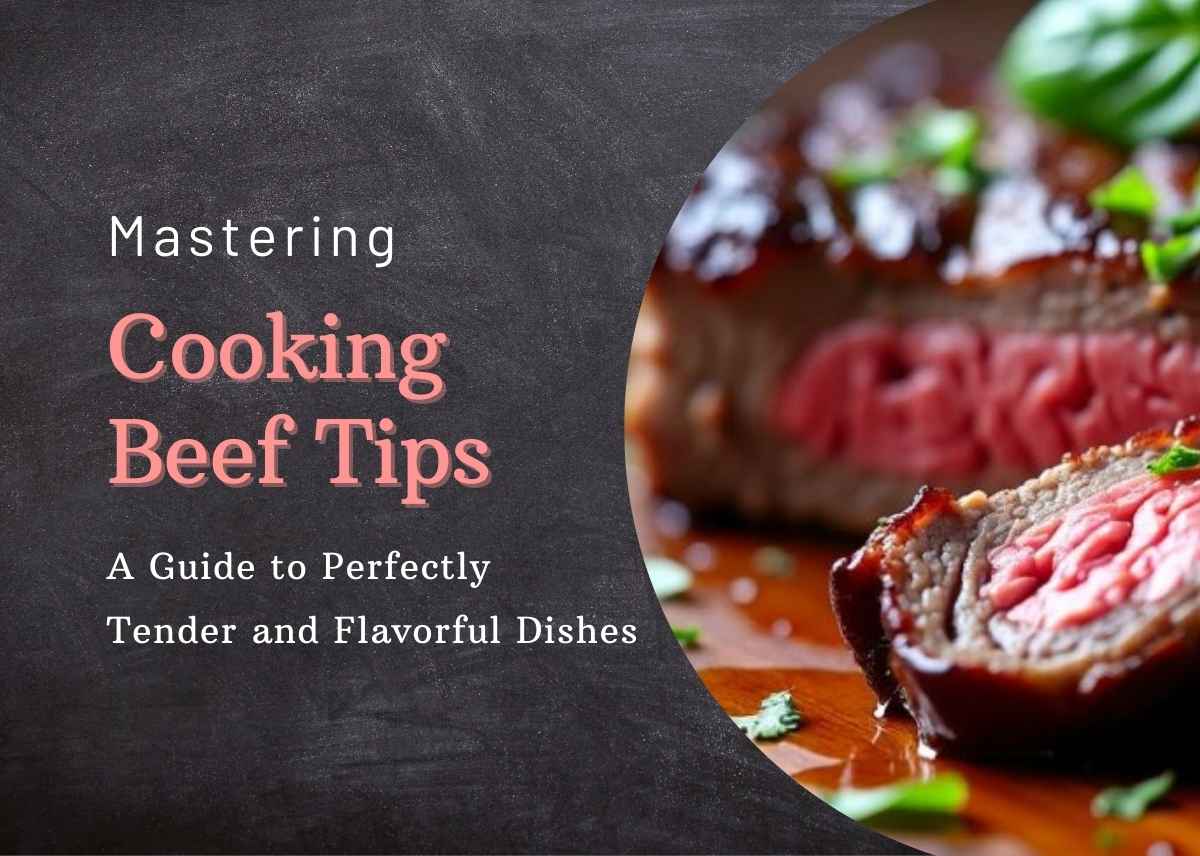
Secrets to Flavorful Beef Tips: Rich Gravy & Ultimate Comfort Food
There are few dishes that evoke the same sense of warmth and pure culinary contentment as a plate of perfectly cooked, fall-apart tender
beef tips, swimming in a rich, savory gravy. This timeless classic transcends mere sustenance, offering a comforting embrace that nourishes both body and soul. Whether you're battling a chilly evening or simply craving a taste of home, mastering the art of flavorful beef tips is a kitchen skill worth acquiring. This guide will unlock the secrets to achieving that irresistible tenderness and a gravy so profound, it’ll leave you scraping the plate.
The Foundation of Flavor: What Makes Beef Tips Irresistible?
At its heart, a great beef tips dish is about transforming humble cuts of beef into something extraordinary through patience and thoughtful technique. Typically,
beef tips refer to small, tender pieces of beef, often derived from cuts like sirloin tip or round tip, that are ideal for slow cooking. Unlike a quick sear, these cuts thrive when given time to break down and absorb surrounding flavors.
The journey to unforgettable flavor begins long before the beef meets the gravy. The initial browning of the beef is paramount. This isn't just about color; it's about the Maillard reaction – a chemical process that creates hundreds of new flavor compounds, giving the beef a deep, complex, and intensely savory profile. Using medium heat in a sturdy pan, like a Dutch oven, and ensuring the beef isn't overcrowded will yield that coveted crust, laying the essential groundwork for everything that follows. This browned 'fond' – the caramelized bits stuck to the bottom of the pan – is pure gold, ready to be incorporated into your gravy.
Crafting the Perfect Rich Gravy: A Symphony of Flavors
While the beef is undeniably the star, it's the rich, velvety gravy that elevates
beef tips to legendary status. This isn't just a thick sauce; it's a meticulously built flavor profile that complements and enhances the tender beef.
The Aromatic Backbone: Vegetables & Deglazing
The first step in gravy creation often involves sautéing aromatic vegetables. Onions provide a sweet base, while fresh garlic adds a pungent depth. Mushrooms, if you choose to include them, lend an earthy umami dimension that pairs wonderfully with beef. After the beef is browned and set aside, these vegetables are sautéed in the same pan, scraping up all those delicious brown bits left behind by the beef.
This is where deglazing comes into play – a critical technique for maximizing flavor. A splash of red wine is added to the hot pan, and as it sizzles, you vigorously scrape the bottom, releasing all that concentrated 'fond'. This process not only adds a layer of sophisticated flavor from the wine itself but also incorporates all the browned goodness from the beef into your developing gravy. If red wine isn't an option, a little beef broth or even water can be used to deglaze, though you'll miss the wine's depth.
Umami Boosters and Savory Depth
The magic of a truly rich gravy often lies in a carefully selected blend of savory enhancers. Soy sauce, with its deep umami notes, and Worcestershire sauce, offering a tangy, complex savoriness, are non-negotiable for an authentic flavor profile. These ingredients don't just add salt; they add layers of fermented, meaty depth that are hard to replicate otherwise. Italian seasoning, bay leaves, and a good pinch of salt and freshly ground black pepper round out the core seasoning, providing a herbaceous warmth.
For an extra touch of decadence, consider a splash of heavy cream towards the end of the cooking process. This addition isn't always traditional, but it imparts a luxurious creaminess and richness that makes the gravy utterly irresistible. Finally, a sprinkle of fresh parsley at the very end adds a pop of bright color and a fresh, herbaceous counterpoint to the deep, savory flavors.
Thickening to Perfection: The Velvety Finish
A hallmark of great beef tips is a gravy that is thick enough to cling to the beef and coat your chosen accompaniment, without being gloopy. This is typically achieved with a cornstarch slurry. After the beef has simmered and is fall-apart tender, a mixture of cornstarch and cold water is stirred into the hot gravy. As the mixture returns to a simmer, the gravy will visibly thicken, transforming into that beautiful, velvety consistency we all crave. It's important to add the slurry gradually and stir constantly to avoid lumps and achieve your desired thickness.
Mastering the Technique: Stovetop vs. Crock Pot
One of the great advantages of
beef tips is their versatility in cooking methods. Both stovetop and crock pot approaches can yield exceptional results, depending on your schedule and preference.
Stovetop Simplicity: A One-Pan Wonder
The stovetop method is fantastic for those who enjoy the hands-on process and can dedicate an hour or two to simmering. After browning the beef and sautéing the aromatics in a single pan (like your Dutch oven), the liquid ingredients, seasonings, and beef are reunited. The key here is a low and slow simmer, covered, for at least 1.5 to 2 hours. The goal is to reach a point where the beef is incredibly tender, easily shredding apart with two forks. If it resists, simply give it more time; patience is your secret ingredient. This "one-pan" approach means less cleanup and all the flavors staying concentrated in one vessel.
Effortless Crock Pot Convenience: Set It and Forget It
For busy weeknights or when you want dinner to practically cook itself, the crock pot is your best friend. While you can skip the initial searing in a slow cooker, for the absolute best flavor, we highly recommend taking the extra 10-15 minutes to brown the beef in a separate pan before transferring it to the crock pot with all the other gravy ingredients. This step significantly deepens the flavor profile. The slow cooker then works its magic over several hours, gently transforming the beef into unbelievably tender morsels.
The "Fall-Apart Tender" Secret
Regardless of your chosen method, the true test of done-ness for beef tips is their tenderness. They should literally fall apart easily when prodded with two forks. This is the indicator that the connective tissues have broken down, resulting in that melt-in-your-mouth texture. If your beef isn't quite there, don't rush it. Simply cover and continue to cook, checking every 15-20 minutes, until it reaches the desired tenderness.
Serving Suggestions & Smart Meal Prep
Once your fragrant, tender
beef tips are ready, the only thing left is to decide how to enjoy them.
Classic Pairings: Comfort on a Plate
The quintessential pairing for beef tips is, without a doubt, creamy mashed potatoes. The velvety gravy coats the fluffy potatoes, creating an unparalleled comfort food experience. But don't stop there! Beef tips are incredibly versatile and pair beautifully with:
* **Rice:** From fluffy white rice to flavorful dirty rice.
* **Egg Noodles:** A simple yet satisfying absorbent base.
* **Polenta:** Creamy polenta offers a rustic Italian twist.
* **Crusty Bread:** Perfect for soaking up every last drop of that amazing gravy.
* **Green Vegetables:** A side of steamed green beans, roasted broccoli, or even collard greens can add a fresh balance to the richness.
Make-Ahead & Leftover Brilliance
One of the most appealing aspects of beef tips is how wonderfully they perform as a make-ahead meal or as leftovers. The flavors often deepen and meld even more beautifully after a day or two, making them a fantastic option for meal prepping.
You can store leftover
beef tips in an airtight container in the refrigerator for up to 3 days. For longer storage, let them cool completely, then transfer them to a freezer-safe container and freeze for up to 3 months. When you're ready to enjoy them again, thaw overnight in the fridge.
Reheating is straightforward: gently warm them on the stovetop over low heat, adding a splash of beef broth if the gravy has thickened too much. Alternatively, you can microwave them in 30-second intervals until heated through. The gravy does an excellent job of keeping the beef moist and flavorful during reheating.
For more detailed instructions on creating this comforting dish, explore our guide on
Super Easy Beef Tips: Achieve Fall-Apart Tender Beef & Rich Gravy. And if you're looking for clever ways to integrate this dish into your busy week, check out
Stovetop to Crock Pot: Make Ahead Beef Tips for Weeknight Meals.
Ultimately, perfecting flavorful
beef tips is a rewarding culinary journey. It’s about understanding the nuances of browning, building a complex gravy, and having the patience to allow the beef to reach its full, tender potential. With these secrets in your culinary arsenal, you're ready to create a dish that promises pure comfort and unforgettable flavor, transforming any meal into a special occasion.